

Published September 21, 2026
Living in Idaho Falls: 5 Surprising Challenges

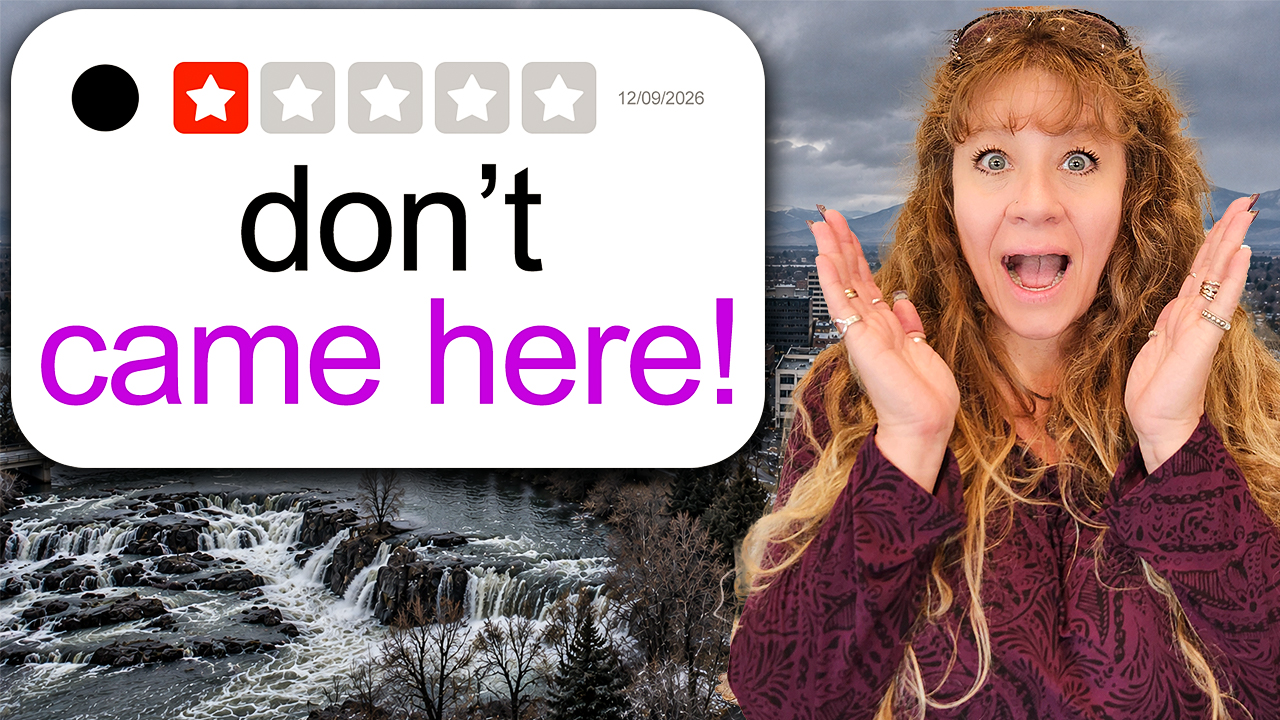
Relocating to Southeast Idaho offers incredible access to outdoor recreation, friendly neighbors, and overall affordability, but moving here involves genuine day-to-day lifestyle adjustments. The top five surprises for new residents include prolonged winter driving and sub-zero freeze routines, early-to-close small-town store hours, geography-dependent commutes tied to regional employment hubs (INL, universities, and healthcare), traveling to Salt Lake City for major retail or international flights, and misunderstood property tax and insurance assessments.
You can watch every relocation video online, study listing photos for months, and still get blindsided during your first year in Southeast Idaho.
Between Idaho Falls, Pocatello, and Rexburg, newcomers run into the same distinct learning curves. Getting these five realities straight before you unpack ensures you settle in smoothly and avoid unexpected budget surprises.
Idaho Falls Relocation Realities at a Glance
| Factor | What Most People Expect | The Southeast Idaho Reality |
| Winter Climate | Light snow that melts by noon | Hard-packed snow, black ice, sub-zero snaps, and 5:00 PM darkness |
| Daily Town Rhythm | Standard metro convenience and late hours | Quiet evenings, early retail/dining closures, tight-knit neighborly community |
| Job & Commute Math | Easy drives anywhere across town | 45–60 min desert drives to INL, or highway travel to BYU-I / ISU |
| Big-Box & Travel Hubs | Full metro amenities on demand | Regional airport locally; 3-hour drive to Salt Lake City for international hubs |
| Taxes & Home Budget | Everything is automatically cheaper | Flat 5.3% state income tax, unique assessment dates, and consolidated city utility billing |
1. Winter Is Real (and It Lasts)
Winter in Southeast Idaho is not a dusting of snow that disappears by lunchtime. Snow packs down, temperatures regularly dip into the single digits or sub-zero, and ice stays on side roads for weeks. Add in December afternoons where the sun sets before dinner, and the seasonal shift can feel heavy if you aren't prepared.
Thriving here doesn't require overthinking, but it does require genuine preparation:
- The Essentials: Invest in dedicated winter tires (all-wheel drive helps you accelerate, but winter compound tires help you stop), a heavy insulated winter coat, warm gloves, and boots with serious tread.
- Vehicle Trunk Kit: Keep a sturdy snow shovel, ice scraper, and a heavy-duty tow strap in your trunk. It can pull you out of an icy drift—or let you help a stranded neighbor.
- The Morning Routine: Factor in an extra 10 to 15 minutes before your morning drive to defrost your vehicle, scrape the windshield, and navigate icy neighborhood turns.
2. A Small-Town Pace Wrapped Around a Growing Market
Idaho Falls is steadily growing, but its daily rhythm remains deeply rooted in traditional small-town culture. Transplants arriving from major metropolitan areas often experience culture shock when they discover local restaurants and retail shops closing by 8:00 PM or 9:00 PM, with limited late-night dining on weeknights and select businesses closed on Sundays.
The flip side is an exceptional sense of community. It is standard practice across Southeast Idaho for neighbors to introduce themselves, lend a hand during snowstorms, and drop off fresh-baked treats when a new moving truck pulls into the driveway. People genuinely look out for one another here.
3. Commutes Depend on Three Primary Economic Engines
Southeast Idaho's housing demand is anchored by three major economic pillars:
- Idaho National Laboratory (INL): The federal desert complex and associated research campuses employ thousands of scientists, engineers, and contractors.
- Higher Education: Brigham Young University–Idaho (BYU-I) in Rexburg to the north and Idaho State University (ISU) in Pocatello to the south drive steady regional growth.
- Regional Healthcare: Eastern Idaho Regional Medical Center (EIRMC) and Mountain View Hospital in Idaho Falls, along with Portneuf Medical Center in Pocatello, serve as major healthcare and teaching hospital networks.
Why this dictates your home search: Never fall in love with a house before calculating your morning route. Commuting out to the INL desert site is a 45- to 60-minute trek each way, though many personnel utilize the extensive regional INL bus transit system. Commuting between Idaho Falls and Rexburg or Pocatello means highway driving in adverse winter conditions. Map your workplace, check public transit or bus pick-up stations, and choose your neighborhood around that routine.
4. You Trade Big-City Retail for World-Class Backyards
Idaho Falls provides regional retail, grocery, and entertainment options, but it does not have the endless specialty stores or mega-malls of a major metropolis.
For specialized medical specialists, niche retail, or direct international flights, locals make the 3-hour drive south on Interstate 15 to Salt Lake City International Airport (SLC). While Idaho Falls Regional Airport (IDA) offers convenient regional connections, Salt Lake remains the primary hub for broader travel.
The trade-off? Yellowstone National Park and Grand Teton National Park / Jackson Hole sit in your backyard. Instead of planning an expensive once-in-a-lifetime vacation, you can load up your vehicle on a Saturday morning, spend the afternoon hiking near world-class peaks or world-class trout rivers, and sleep in your own bed that evening.
5. The Relocation Budget Surprise Cuts Both Ways
Transplants relocating from high-cost coastal states generally find Southeast Idaho significantly more affordable regarding median purchase prices, vehicle registration, and utilities. However, budgeting errors happen when buyers assume every category is cheaper:
- Property Taxes & Insurance: Idaho property assessments, homeowner exemption caps, and fire insurance zones (especially in foothills or rural interfaces) require precise calculations. Never rely on listing portal estimates—obtain actual tax histories and live insurance binders during your due diligence period.
- The Consolidated City Utility Bill: If you purchase within Idaho Falls city limits, Idaho Falls Power partners with the city to combine electricity, water, sewer, and city trash services onto a single monthly bill (with optional Idaho Falls Fiber infrastructure fees). It simplifies household accounting, but seeing multiple municipal utilities combined into one monthly statement often catches first-time buyers off guard.
Frequently Asked Questions
Do I need a four-wheel-drive (4WD) or all-wheel-drive (AWD) vehicle in Idaho Falls?
While 4WD or AWD provides better traction when accelerating on snow-packed roads, dedicated winter tires with cold-weather rubber compounds and sipping are far more critical for turning and stopping safely on winter ice.
How far is Idaho Falls from Salt Lake City and Boise?
Idaho Falls is approximately 215 miles south to Salt Lake City, Utah (about a 3-hour drive down I-15). Boise is roughly 250 miles west via I-15 to I-84 (a 3.5- to 4-hour drive).
What is the average commute time within Idaho Falls?
For in-town travel between subdivisions, medical centers, and shopping corridors, most drives take between 10 and 15 minutes. Commutes out to the INL desert site typically run 45 to 60 minutes each way.
Download the Free Southeast Idaho Newcomers Guide
Navigating a move to Idaho Falls, Pocatello, or Rexburg is significantly easier when you know what to expect before signing an agreement. We compiled our complete Southeast Idaho Newcomers Guide, covering neighborhood maps, utility setup checklists, school pipelines, and winter driving preparation.
Thinking about making a move this year or planning ahead for the future? Craig and Kimberly Anderson are here to give you the clear, boots-on-the-ground facts so you can relocate with total confidence:
- Call or Text: 209-858-3873
- Email:
Craig@HeyNeighbor-Realty.com - Instagram:
@Craig_Anderson6 - YouTube:
@HeyNeighborIdahoFalls